
What Is

Uterine Fibroid Embolisation?

Uterine Fibroid Embolisation (UFE) is a minimally invasive procedure used to treat uterine fibroids—non cancerous growths in the uterus. The procedure reduces symptoms such as heavy menstrual bleeding, pelvic pain, and pressure by cutting off the blood supply to the fibroids, causing them to shrink.

UFE is conducted via a small pinhole incision in the wrist — no invasive surgery, and minimal recovery time expected.

What Is

Uterine Fibroid Embolisation?

Uterine Fibroid Embolisation (UFE) is a minimally invasive procedure used to treat uterine fibroids—non cancerous growths in the uterus. The procedure reduces symptoms such as heavy menstrual bleeding, pelvic pain, and pressure by cutting off the blood supply to the fibroids, causing them to shrink.

UFE is conducted via a small pinhole incision in the wrist — no invasive surgery, and no time off work required.

What To Expect?

1. Preparation

Blood tests and a consultation with your gynaecologist are necessary. You may need imaging (an MRI and ultrasound) to assess fibroid size, number and location as well as to exclude or diagnosis other conditions such as adenomyosis, endometriosis or suspicious masses.  If you are over the age of 35, you will need a referral from your gynaecologist or fertility specialist.
2. During The Procedure

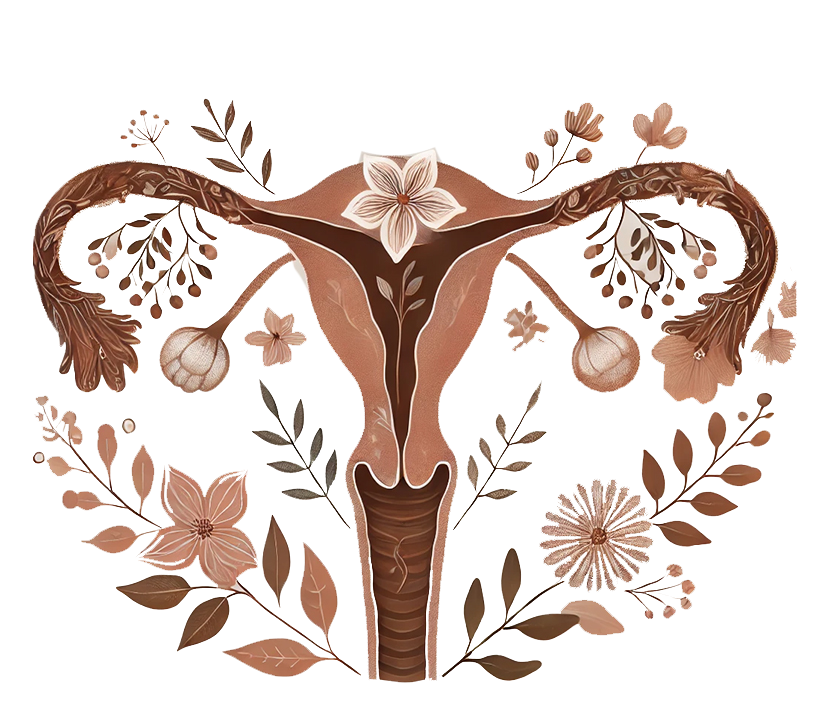
Uterine Fibroid Embolisation is performed by an Interventional Radiologist. Local anaesthesia and mild sedation are utilised. A small catheter is inserted into an artery via a tiny incision in your wrist. Tiny particles or micro-beads are then injected into the arteries supplying the fibroids, blocking the blood flow. This will cause the target fibroids to become inactive and shrink.

3. After The Procedure

We recommend an overnight stay for observation, and most patients can resume work after about a week. Your fibroids have now begun to reduce in size, and will continue to do so over the next few weeks. Gradually, you will experience increased relief from your symptoms. Common side effects include period-like pain, nausea, and mild fever. Patients should avoid strenuous activity for one week.

Frequently Asked Questions

Make Use Of Our Patient Resources

Recurrence is uncommon but possible. Regular follow-ups are essential.

Most women do, but some may experience lighter periods or, rarely, menopause-like symptoms.

Pain is typically moderate and manageable with medications.

Recovery after Uterine Fibroid Embolisation is usually much quicker than surgical options, with most women resuming normal activities within one to two weeks. Cramping, pelvic discomfort, fatigue and mild flu-like symptoms are common in the first few days and typically improve steadily. Light activity can begin as you feel able, while full recovery generally takes four to six weeks.

The Uterine Fibroid Embolisation procedure typically takes 40 minutes. In some cases it may be slightly shorter or longer, depending on the number and size of fibroids, but it is generally considered a quick, minimally invasive, same-day procedure.

Most women can expect their fibroids to shrink gradually over several months after Uterine Fibroid Embolisation. Although results vary depending on the size, number and type of fibroids, studies consistently show an average volume reduction of 40–60 percent within the first six months. Shrinkage often continues for up to a year, leading to softer, smaller fibroids and significant symptom relief.

© Copyright - Dr Maja Wojno